Hoarding Through a Buddhist Lens
Attachment, Suffering, and the Art of Letting Go
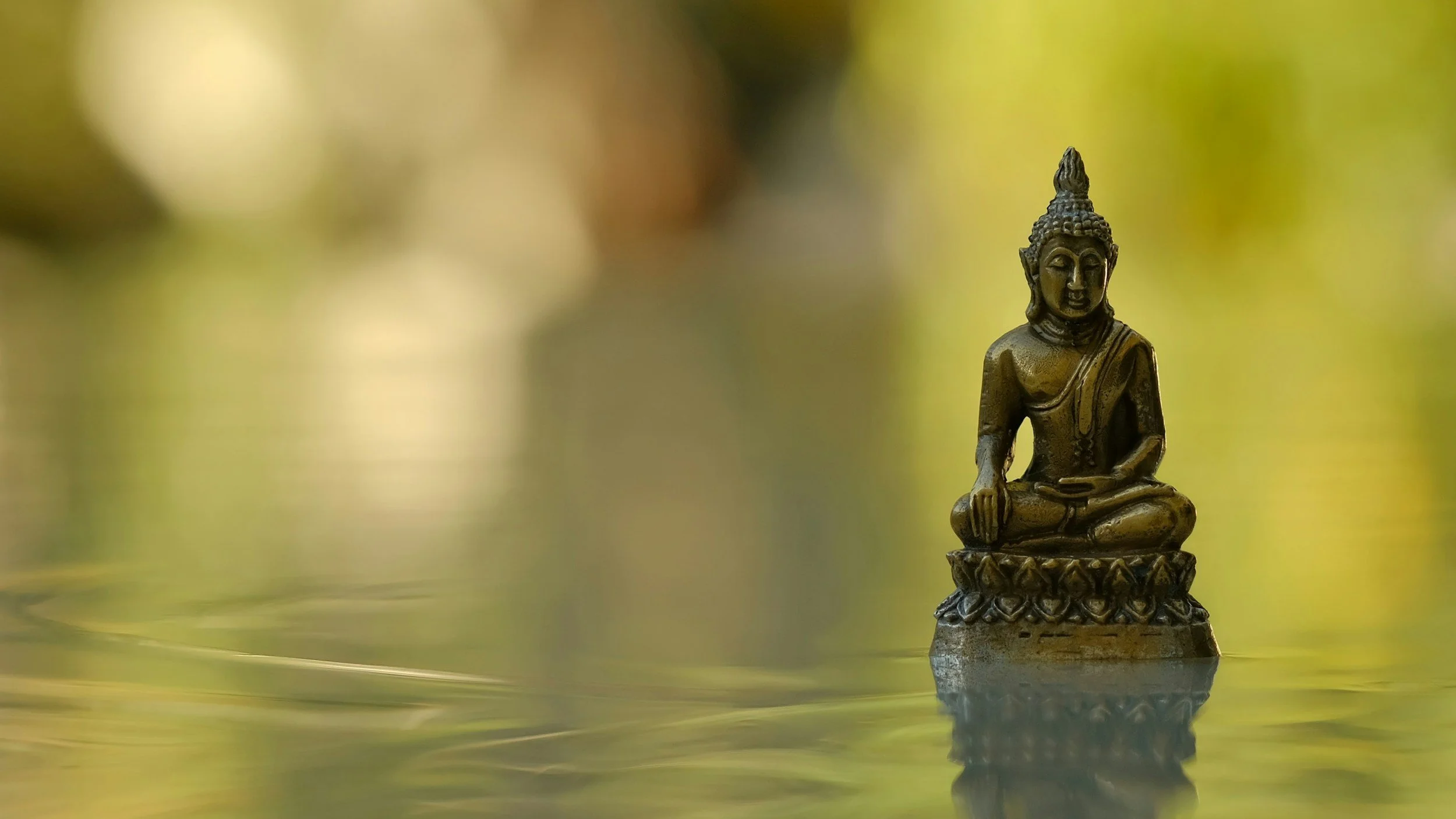
Simple living can provide clarity and disattachment.
“Hold on, I just need to stop by the record store and see if the new Noah Khan album is out.” Searching through the archives and finding gems of records is a personal achievement of mine. The rush of excitement, dopamine increasing and joy overcoming my face when I have found that one record that will alleviate my suffering. While the new record does bring me joy, this is always short lived, with suffering presenting itself with critical self-judgment, financial concerns and a desire that I need more records to get back to feeling happy.
Simple acquisitions bring us joy. However, when someone loses sight of why they own or how much they own, symptoms of hoarding may be present. In Buddhist psychology the concept of attachment, Upādāna, is what the Buddha states as the main form of suffering. From the Pali canon the Buddha perceived that "The root of suffering is attachment." It is our attachment to items, concepts, feelings and mental formations that brings about suffering and pain throughout our entire lives. It is the magic of detachment that can lead to ending this samsara, the cycle of suffering.
“The root of suffering is attachment.”
Most of us hoard something— we are looking for a way to end suffering and the simple acquisition of something can and often does provide an escape. This may be short lived but relief and joy are important.
The Hoarding disorder may be defined as:
The acquisition of, and failure to discard a large number of objects that appear useless or of limited value.
To define hoarding in this way begs the question, who gets to define value?
Russ Harris defines Values as:
“Values are your heart’s deepest desires for how you want to behave as a human being. Values are not about what you want to get or achieve; they are about how you want to behave or act on an ongoing basis; how you want to treat yourself, others, the world around you.”
So what is wrong with holding onto things when I find valuable? I think a key element to Harris’ understanding of values is that they bring us to our deepest desires. The trouble in finding attachment to an item is that the item itself becomes an extension of the self. Thus, the item is no longer something in the corner you use, but it is who you are.
Through the lens of Upādāna we can see where being attached to an item may lead to suffering. What would happen if a coffee cup you cherished cracked? The attachment to the cup leads to the suffering of it no longer being whole but now broken. If we valued the cup as ultimately an exentision of the self, we are now viewing us being broken. We did not lose an item, we lost ourselves. This is at the heart of the hoarding disorder, Things are much more than an item, they are extension of who I am. Without them I would not be me.

What would it mean to let go — not just of the object, but of the story you've been telling yourself about why you need it? For this to happen we have to learn why we are attached to the item. Be it from family members leaving the home, to worries of not having enough of something, we develop attachment to people, places and things throughout our lives. When we are able to reflect on how we are attached we are then able to release from the attachment, therefore releasing from suffering.
Through psychological therapeutic support I have helped people detach from items and the stories around those items.. This work is done through identifying what attachment there is and allowing the self to find what they really are searching for through the attachment. Perhaps the person lost a child in a fire and they cannot let any of the child’s items leave the home because in doing so they would be losing their child. Buddhist practices of detachment align to assist in the therapeutic practice of letting go of the items.
Tanha is the concept of craving or thirst. Through identifying the craving we have, in this case the craving to not let their child go, begun steps in identifying to then change the craving. This craving is held because we do not want to accept that things are impermanent (Anicca) . In the case of the death of the child, the mother is unable to accept that their child’s death, and so the items become a permanent reminder of the life and death of the child. Therefore, white the items may provide relief from time to time, often they become reminders of their loss. to lose the items would mean to relive the loss.
So how does one detach? Common Buddhist and Therapeutic methods are centered around mindfulness and observation. Through meditation one is able to observe their thoughts and desires, seeing the attachment they have towards the items, and allows them to build new neuropathways to not need those items anymore. Embracing impermanence is one of the key elements in doing so. Accepting that things come and go and that situations and relationships ebb and flow. When we are able to see impermanence we are able to allow ourselves to not be hooked to things. One of my favorite ways in which to see the impermanence of an item is to give myself space to keep the memories but lose the items themselves. I can hold on to memories and ideas around the value the item represents, and if I can hold the values intrinsically I no longer need the item. Things come and go, including my understanding of things, which allows growth to learn new things and see the world in a different way.
What things would you like to let go? How hard would it be for you to let that thing leave your life? To learn more I offer Hoarding Disorder training courses, as well as, one on one psychotherapy and consultations.
#Buddhism #BuddhistPsychology #Impermanence #Attachment #LetItGo #MentalHealth #Therapy #Hoarding #HoardingDisorder #ClutterFree #Declutter #HoardingHelp #HoardingAwareness